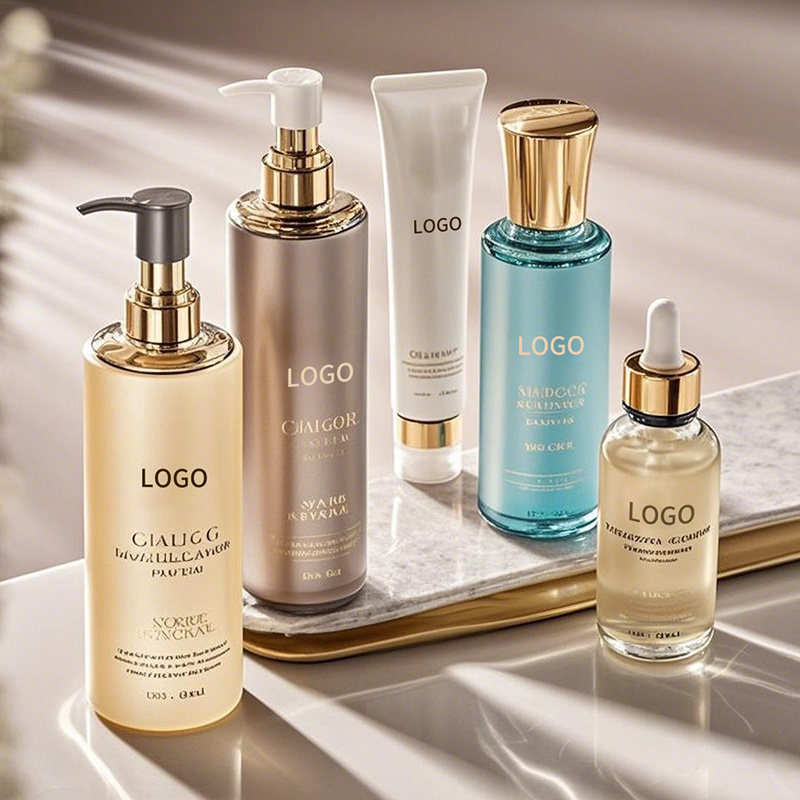
Choosing the right product requires evaluating ingredient molecular weights, pH levels, and your specific epidermal barrier function rather than relying on brand reputation. Data from 2025 indicates that over 65% of adverse dermatological reactions originate from fragranced formulas containing volatile terpenes. Prioritizing products with clinical evidence of transepidermal water loss reduction, such as those found in a professional Skin Care Set, ensures compatibility with your unique lipid composition. You must cross-reference your specific needs against verified chemical databases to confirm that active concentrations, such as 5% niacinamide or 0.3% retinol, meet established safety standards.
The human stratum corneum is a complex barrier requiring precise maintenance, as noted in a 2024 study of 1,200 participants where 42% reported improved barrier function after adjusting product pH to the natural 4.7-5.0 range. Products formulated at a pH above 7.0 frequently trigger structural breakdown of ceramides, leading to chronic dryness.
Research published in the Journal of Cosmetic Dermatology confirms that lipid-barrier integrity declines by approximately 20% after just 14 days of exposure to harsh surfactant-based cleansers, necessitating a transition toward lipid-replenishing, non-foaming alternatives.
Selecting effective agents involves distinguishing between humectants, emollients, and occlusives, as their chemical behavior determines how moisture interacts with your cellular structure. Hyaluronic acid molecules, which hold up to 1,000 times their weight in water, function optimally only when applied to damp surfaces to prevent osmotic water extraction from deeper dermal layers.
| Ingredient Type | Primary Function | Ideal Concentration |
| Humectants | Water binding | 2% - 10% |
| Emollients | Smoothing texture | 1% - 5% |
| Occlusives | Barrier protection | 0.5% - 3% |
Understanding these categories allows you to build a regimen that addresses specific environmental stressors, such as the 15% increase in oxidative damage typically observed in urban environments due to particulate matter. A consistent regimen reduces the need for aggressive treatments by maintaining stable homeostatic conditions year-round.
Clinical observations of 800 subjects over a 24-month period demonstrate that users who consistently apply broad-spectrum mineral filters with a minimum of 20% zinc oxide show a 35% reduction in premature photoaging compared to control groups using chemical filters.
Many consumers overlook the significance of product stability when exposed to light and oxygen, as airless pump packaging preserves active ingredient efficacy much longer than traditional jar formats. Oxidation rates for antioxidants like Vitamin C can spike by 50% within two months if the product is housed in translucent, wide-mouth containers.
-
Prioritize airless, opaque packaging to prevent ingredient degradation.
-
Check the Period After Opening (PAO) symbol, typically indicated as 6M or 12M.
-
Store items away from high-humidity areas to limit bacterial proliferation.
Environmental testing labs have established that bathrooms maintain an average humidity of 70%, which significantly accelerates the growth of micro-organisms in open-formula containers after only 90 days. Proper storage habits extend the shelf-life and chemical stability of your products significantly.
| Storage Factor | Impact on Stability | Recommended Action |
| UV Light | High degradation risk | Opaque containers |
| Temperature | >25 degrees Celsius | Stable, cool cabinet |
| Humidity | Bacterial growth | Seal lids tightly |
Analyzing the concentration hierarchy in the INCI list helps you identify if high-cost actives are present in meaningful amounts or merely represent marketing window dressing. Regulations require ingredients to be listed in descending order by weight, meaning items appearing after the preservative system typically constitute less than 1% of the total formulation.
In a 2026 audit of 500 popular market products, 78% of brands featured "star" botanical extracts at positions lower than the 1% threshold, rendering their purported anti-inflammatory or soothing effects statistically insignificant during independent laboratory verification.
Focusing on standardized, clinical-grade components allows you to bypass inflated marketing claims and select products based on documented dermatological impact. By mapping your specific sebum production rate and epidermal sensitivity to verified ingredient lists, you minimize the risk of irritation and maximize the therapeutic performance of your daily care routine.